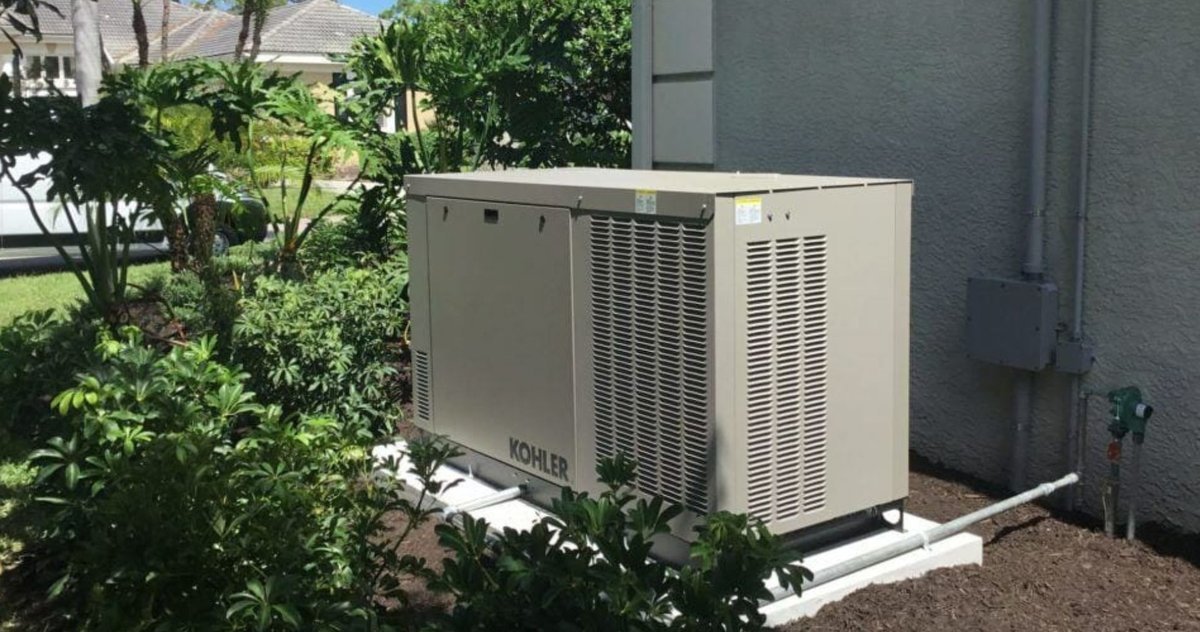
The rumble of an emergency generator isn't just a sound; it's the reassurance that when the unexpected strikes, your home or business won't be plunged into darkness. With unpredictable weather patterns and an aging power grid, investing in a reliable backup power solution has moved from luxury to necessity. But with so many options, how do you choose? This comprehensive guide dives deep into the heart of the matter: pitting the robust Kohler Emergency Generator vs. Competitors like Generac, Cummins, and Briggs & Stratton, helping you find the perfect guardian for your power needs.
At a Glance: Key Considerations for Your Backup Generator
Choosing the right emergency generator is a significant decision. Here’s a quick overview of what sets the major players apart:
- Kohler: The "Built to Last" option. Expect premium quality, exceptional durability, and a lightning-fast 5-second power response. Ideal for those prioritizing longevity and superior construction, willing to invest more upfront.
- Generac: The market leader. Known for affordability, wide range of residential models, and innovative remote monitoring. Best for homeowners seeking a cost-effective, reliable solution for occasional outages.
- Cummins: The heavy-duty champion. Leverages industrial expertise for robust engines, long-term durability, and excellent performance in extreme conditions. Perfect for commercial applications or high-power residential needs where continuous, unyielding power is paramount.
- Briggs & Stratton: The value choice. Offers competitive features at a more accessible price point, with widespread availability. Great for budget-conscious homeowners needing reliable power for lighter applications.
The Unseen Threat: Why a Backup Generator Isn't a Luxury Anymore
Think about the last time your power flickered or, worse, went out for hours. Beyond the inconvenience, there's a real cost: spoiled food, lost productivity, burst pipes in winter, or even compromised medical equipment. A reliable emergency generator steps in automatically, keeping critical systems running – from your refrigerator and HVAC to essential communication devices.
But which brand offers the best safeguard for your peace of mind? While many names populate the market, four stand out as the dominant forces: Generac, Cummins, Kohler, and Briggs & Stratton. Each brings a unique philosophy to the table, carved out by decades (or even a century) of engineering and customer feedback. Understanding these differences is the first step in making an informed decision.
The Contenders: Kohler Emergency Generator vs. Its Rivals
Let’s pull back the curtain on each of the major players, examining their strengths, weaknesses, and who they truly serve best.
Kohler Generators: The Craftsmanship Standard
With a heritage stretching back over a century, Kohler has cemented its reputation as a major player in the emergency generator market, commanding around 25% of the market share. They are synonymous with quality, durability, and a premium experience.
What Makes Kohler Stand Out:
- Built for the Long Haul: Kohler generators are engineered with quality craftsmanship and robust components designed for exceptional longevity. When you invest in Kohler, you're buying a machine intended to be a permanent fixture, ready for decades of service.
- Blazing Fast Response: In an outage, every second counts. Kohler boasts an industry-leading 5-second response time, meaning your power is restored almost instantly. This rapid transfer minimizes disruption to sensitive electronics and crucial systems.
- Superior Power Quality: With minimal harmonic distortion, Kohler generators deliver clean, stable power that's safe for all your delicate electronics, from computers to medical devices. This "PowerBoost™" technology ensures your appliances run smoothly without risk of damage.
- Premium Engines: They utilize high-grade, premium engines built specifically for generator applications, contributing to their efficiency and reliability.
- Corrosion-Resistant Enclosures: Built to withstand the elements, Kohler's enclosures are highly resistant to corrosion, making them an excellent choice for homes in coastal or harsh climates.
- Quieter Operation: Generally, Kohler models operate at an average of 63 dBa, which is relatively quiet for their power output, providing less intrusive backup power.
Where Kohler Might Give You Pause: - Higher Initial Investment: Quality comes at a price. Kohler generators typically require a larger upfront investment compared to Generac or Briggs & Stratton.
- Smaller Dealer Network: While growing, Kohler’s dealer and service network isn't as extensive as Generac's, especially in more rural areas. This could mean fewer local options for sales and maintenance.
- Less Retail Availability: You're less likely to find Kohler units stocked at major big-box retailers; they are primarily sold and installed through authorized dealers.
Who Kohler is Best For:
Homeowners and business owners who prioritize long-term durability, superior construction, and minimal maintenance over initial cost. If you want a generator you can install and largely forget about, trusting it to perform flawlessly for many years, Kohler is an excellent fit. For a deeper dive into their offerings, you can explore All about Kohler emergency generators.
Generac Generators: The Market Dominator
Generac holds the lion's share of the residential generator market, with an estimated 40% market share. They are often the first name that comes to mind for home backup power.
Why Generac Captures the Market:
- Affordability & Accessibility: Generac offers a broad spectrum of models at competitive price points, making them a more accessible option for many homeowners. Their products are widely available through various retail channels.
- Innovative Technology: They're pioneers in features like Mobile Link™ remote monitoring, allowing you to check your generator's status and schedule maintenance from your smartphone.
- Widest Range of Sizes: Whether you need to power a few essential circuits or your entire large home, Generac offers the widest range of residential sizes to meet diverse power needs.
- Largest Dealer Network: With the most extensive dealer and service network, finding local support for installation, maintenance, and parts is usually quite easy.
Where Generac Shows Its Limits: - Noise Levels: Generac generators can be somewhat louder than their counterparts, with an average noise level of 58 dBa (though this varies by model).
- Quality Control Variability: Due to rapid growth and high production volume, some users report occasional quality control inconsistencies.
- Less Suited for Heavy-Duty Continuous Use: While excellent for residential backup, Generac models aren't typically designed for continuous, heavy-duty commercial applications where uptime is absolutely critical 24/7.
Who Generac is Best For:
Homeowners looking for a reliable, cost-effective solution for occasional power outages. If you value broad availability, innovative features like remote monitoring, and a strong support network, Generac is a compelling choice.
Cummins Generators: The Industrial Workhorse
Leveraging decades of industrial engine expertise, Cummins brings its reputation for robust, heavy-duty performance to the residential market, holding about 15% market share.
The Cummins Advantage:
- Unmatched Durability & Longevity: Cummins generators are built like tanks. Their robust construction and industrial-grade engines are designed for extreme conditions and exceptionally long operational lifespans, making them a true long-term investment.
- Superior Cold Weather Performance: They excel in harsh climates, reliably starting at temperatures as low as -22°F, ensuring power even in the most brutal winters.
- Excellent Power Quality: With less than 2% total harmonic distortion, Cummins generators provide incredibly clean power, crucial for sensitive electronics and industrial equipment.
- QuietConnect™ Technology: Despite their power, Cummins has invested in noise reduction, with some models operating as low as 62 dB, making them surprisingly quiet for their output.
- Liquid-Cooled Models: All Cummins models are liquid-cooled, a feature typically found in larger, more robust commercial generators, enhancing their durability and continuous run capability.
Considerations for Cummins: - Higher Price Tag: Cummins generators typically have the highest initial purchase price among the major brands, reflecting their heavy-duty construction and advanced engineering.
- More Involved Maintenance: While durable, their industrial-grade components can sometimes lead to more involved or specialized maintenance requirements.
- Limited Residential Options: Cummins offers fewer residential size options, generally starting at 13kW, which might be overkill for smaller homes with minimal power needs.
- Smaller Residential Dealer Network: Their residential dealer network isn't as widespread as Generac's, particularly in some regions.
Who Cummins is Best For:
Commercial users or residential applications demanding continuous, reliable backup power, extreme environmental resilience, and an absolute prioritization of long-term durability and uptime. If you run a business where power loss is catastrophic, or live in an area with frequent, prolonged outages and harsh weather, Cummins delivers unwavering performance.
Briggs & Stratton Generators: The Value Proposition
Briggs & Stratton leverages over a century of small engine manufacturing to offer value-oriented, reliable backup power solutions, holding about 20% of the market.
Why Briggs & Stratton Appeals:
- Affordability: They often present the most budget-friendly entry point into the automatic standby generator market, offering competitive features at a lower price.
- Wide Model Range: Briggs & Stratton offers a good selection of models to fit various power needs, from essential circuits to whole-home coverage.
- Accessible Maintenance: Their units are generally easier and less costly to maintain, with widely available parts due to their long history in small engines.
- Symphony® II Power Management: This intelligent system allows smaller, more affordable Briggs & Stratton units to provide whole-house coverage by intelligently prioritizing power to essential appliances.
Where Briggs & Stratton Falls Short: - Durability for Heavy Use: While reliable for occasional outages, they are not ideal for long-term, continuous, or high-power commercial applications in the way Kohler or Cummins are.
- Fewer Advanced Features: They may lack some of the sophisticated remote monitoring or power quality features found in more premium brands.
- Higher Noise Levels: Similar to Generac, some Briggs & Stratton models can have slightly higher noise levels compared to Cummins or Kohler.
- Shorter Standard Warranty: Some models may come with a shorter standard warranty compared to competitors.
Who Briggs & Stratton is Best For:
Homeowners on a budget who need reliable backup power for occasional outages. If you want dependable performance without breaking the bank, and your primary concern is covering essential home functions during a power cut, Briggs & Stratton offers excellent value.
Beyond the Brand: What Truly Matters in a Backup Generator
While brand reputation is important, the "best" generator for you isn't just about the nameplate. It's about matching features to your specific needs. Here's what to consider:
Fueling Your Future: Type and Efficiency
Generators primarily run on natural gas, liquid propane (LP), or diesel. Your choice impacts running costs, availability, and storage.
- Natural Gas: Plumbed directly into your home's gas line, offering unlimited run time (as long as gas service is uninterrupted). Generally cost-effective for fuel, but efficiency can vary.
- Liquid Propane (LP): Stored in tanks, providing a finite but predictable run time. Excellent for areas without natural gas infrastructure. Tanks require refilling.
- Diesel: Primarily for larger commercial or industrial units. Diesel generators are very fuel-efficient and powerful, but diesel fuel can be expensive and requires on-site storage tanks, often with specific regulations.
Consider the availability and cost of fuel in your region, along with the generator's fuel efficiency, to get a clear picture of long-term running costs.
Silence is Golden: Noise Levels
A generator, by nature, makes noise. However, some are significantly quieter than others. Noise levels are measured in decibels (dBa).
- Cummins QuietConnect technology can bring levels as low as 62 dB.
- Kohler models average around 63 dBa.
- Generac averages 58 dBa (which can actually be louder than 62-63 dBa because the dBa scale is logarithmic, but these numbers vary wildly by model and distance).
- Briggs & Stratton are improving but can also be on the higher side.
Think about where the generator will be located relative to your living spaces and your neighbors. A few decibels can make a big difference in perceived noise.
The Power Punch: Output and Quality
- Power Output (kW): This is the most critical factor. An undersized unit will struggle to power your essentials, potentially leading to overloads and damage. An oversized unit wastes money and fuel. Cummins and Kohler tend to offer high-output models well-suited for heavy-duty applications, while Generac and Briggs & Stratton cater more broadly to residential needs.
- Power Quality (Harmonic Distortion): This refers to the cleanliness and stability of the electricity produced. High-quality power (low harmonic distortion, ideally <5% and even better <2%) is vital for protecting sensitive electronics like computers, smart TVs, and medical equipment. Cummins and Kohler are renowned for their superior power quality.
The Long Run: Maintenance, Parts, and Warranty
- Maintenance: All generators require regular maintenance (oil changes, filter replacements, annual check-ups). Some brands, like Cummins and Kohler, with their premium components, may require more specialized or professional maintenance, potentially leading to higher upkeep costs but also higher reliability. Generac and Briggs & Stratton parts are generally more accessible and often suitable for DIY maintenance for mechanically inclined homeowners.
- Parts Availability: Generac and Briggs & Stratton, with their larger market share and wider networks, often have readily available parts. For Kohler and Cummins, parts are generally available through their authorized dealer networks.
- Warranty and Customer Support: Warranties vary significantly by brand and model. Kohler and Cummins often provide longer, more comprehensive commercial warranties, reflecting their robust build. Generac and Briggs & Stratton typically offer standard residential warranties. Always review the warranty terms closely, especially for labor and parts coverage.
Making the Smart Choice: Expert Buying & Installation Guidance
Choosing a generator isn't just about comparing spec sheets; it's about a holistic approach to securing your power.
Sizing It Right: The Golden Rule
This is perhaps the single most important factor, even more so than brand selection. An undersized generator will constantly be overloaded, leading to premature wear and potential failure. An oversized unit is an unnecessary expense, both upfront and in wasted fuel.
Pro Tip: Don't guess. Have a qualified electrician or generator dealer perform a load calculation of your home or business. They'll assess your essential circuits and desired appliances to recommend the precise power output (kW) you need.
The Dealer Factor: More Than Just a Sale
The quality of your authorized dealer is paramount. They are your primary point of contact for:
- Sizing Recommendations: As mentioned, critical for performance.
- Professional Installation: Ensuring compliance with local codes, proper fuel line connections, and safe electrical integration.
- Ongoing Maintenance: Regular service is key to longevity.
- Warranty Support: A good dealer will streamline any warranty claims.
A top-notch dealer ensures your generator is installed correctly and provides timely, reliable service throughout its lifespan, significantly impacting your experience and the unit's longevity.
Total Cost of Ownership: Look Beyond the Sticker Price
The initial purchase price is just one piece of the puzzle. Consider the total cost of ownership over the generator's expected life, which includes:
- Initial Purchase & Installation: Generators are a significant investment (installation typically runs $3,000-$5,000).
- Fuel Costs: Ongoing fuel consumption, especially during prolonged outages.
- Maintenance: Annual service, parts, and potential repairs.
- Expected Lifespan: A more durable unit might cost more upfront but save you money in replacement costs over decades.
Kohler and Cummins, while often pricier initially, might offer lower long-term costs due to their exceptional durability and efficiency.
Tailoring to Your Terrain: Evaluating Specific Needs
Your location and lifestyle play a huge role in the ideal generator choice:
- Local Climate: If you're in a frigid region, a Cummins with its excellent cold-weather performance might be non-negotiable. If you're on the coast, Kohler's corrosion-resistant enclosures offer vital protection.
- Outage Frequency & Duration: Do you experience brief, infrequent outages, or do you live in an area prone to multi-day power cuts? This impacts fuel type and the need for continuous-duty engines.
- Critical Power Requirements: Are you just keeping the lights on, or do you have essential medical equipment, sensitive servers, or critical business operations that require absolute, uninterrupted, clean power?
The Installation Imperative: Leave it to the Pros
This cannot be stressed enough: Professional installation by a licensed electrician and an authorized generator installer is non-negotiable.
- Safety First: Generators involve high voltage electricity and fuel lines. Incorrect installation poses serious risks, including electrocution, fire, and carbon monoxide poisoning.
- Code Compliance: Local building codes and electrical regulations are stringent. Professionals ensure your installation meets all requirements, avoiding fines or safety hazards.
- Warranty Protection: DIY installation often voids manufacturer warranties.
- Optimal Performance: Professionals ensure proper sizing, correct wiring for the transfer switch, and seamless integration with your home's electrical system for peak efficiency and reliability.
The Transfer Switch: A Seamless Connection
The transfer switch is the brain of your standby generator system, automatically sensing outages and switching your power source. It also safely isolates your home from the utility grid, preventing dangerous "backfeed" that could harm utility workers.
While not strictly required to be the same brand as your generator, using the same brand's transfer switch is often recommended for optimal performance, seamless communication between components (especially for smart features), and simplified warranty service.
No Single "Best": The Power is Yours
After dissecting the strengths and weaknesses of Kohler Emergency Generator vs. Competitors, it becomes clear: there isn't a universally "best" brand. The ideal choice is deeply personal, dependent on your specific power requirements, budget, local conditions, and what you value most in a long-term investment.
- If uncompromising quality, rapid response, and enduring durability are your top priorities, and you're prepared for a premium investment, Kohler stands as an exceptional choice.
- If affordability, widespread availability, and smart home integration are key for residential backup, Generac offers compelling value.
- If industrial-grade robustness, extreme weather performance, and superior power quality for demanding applications are non-negotiable, Cummins is built to deliver.
- If budget-friendliness and reliable performance for occasional residential outages are your primary concerns, Briggs & Stratton offers a solid solution.
Armed with this knowledge, you're now well-equipped to navigate the market with confidence. Take the time to assess your needs, consult with local authorized dealers, and consider the total cost of ownership. The right emergency generator isn't just a purchase; it's an investment in uninterrupted comfort, safety, and peace of mind for years to come.