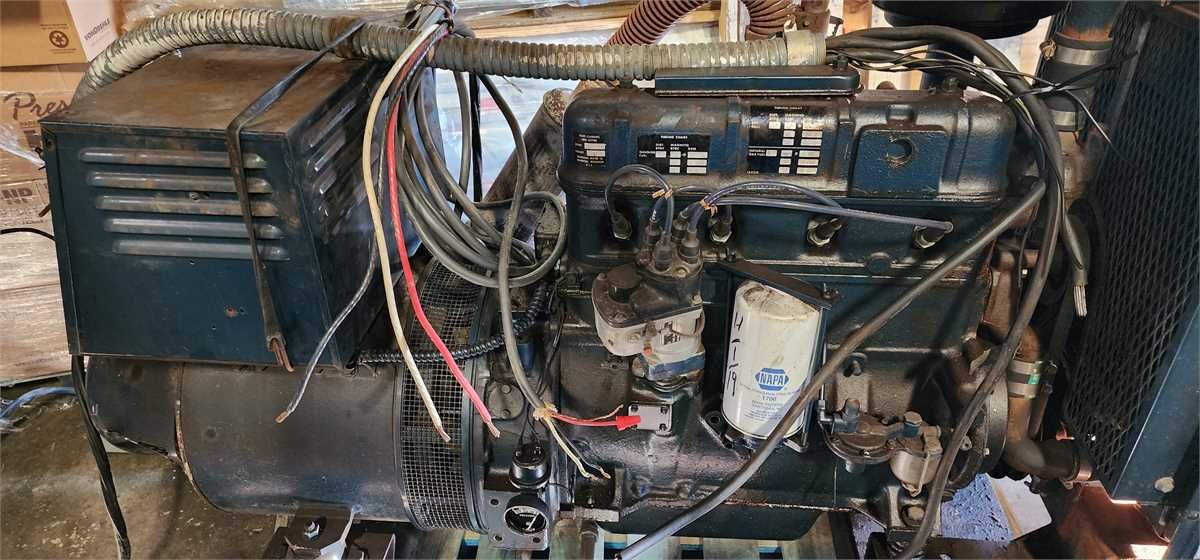
Dealing with power outages is never convenient, but installing a Kohler emergency generator can transform a disruptive blackout into a mere blip. This isn't just about restoring power; it's about safeguarding your home, family, and peace of mind. Navigating the Kohler Emergency Generator Installation Guide can seem daunting at first, but with the right understanding and a clear roadmap, you'll be well on your way to reliable, automatic backup power. Consider this your plain-language companion to ensure a smooth, compliant, and ultimately successful setup.
At a Glance: Key Takeaways for Your Kohler Generator Installation
- Professional Expertise is Non-Negotiable: While this guide offers comprehensive insights, nearly all emergency generator installations require licensed electricians, plumbers, and sometimes HVAC professionals.
- Permits & Codes First: Before anything else, understand and secure all necessary local permits and ensure your plan complies with building, electrical, and gas codes.
- Strategic Siting Matters: Placement isn't just about convenience; it's about safety, noise, exhaust, and code compliance.
- Fuel Source Planning: Whether natural gas or propane, ensure a stable, adequately sized fuel supply is established before installation.
- Seamless Electrical Integration: The Automatic Transfer Switch (ATS) is the brain of your system, requiring precise electrical work to connect to your home's main panel.
- Testing is Crucial: Post-installation, thorough testing and routine maintenance are key to ensuring your generator is ready when you need it most.
Why a Kohler Generator? More Than Just Backup Power
When the lights go out, a generator isn't just a luxury; it's often a necessity. Kohler has a long-standing reputation for robust, reliable power solutions, and their emergency generators are no exception. These aren't just portable units you wheel out during an outage; they're permanently installed systems designed to kick in automatically, often within seconds, ensuring continuous power to your entire home or selected critical circuits.
Choosing a Kohler generator means investing in a system known for its durable engines, advanced power management, and quiet operation. But even the best equipment needs a proper setup to perform optimally. This guide empowers you to understand the process, ask the right questions, and oversee your installation with confidence.
The Absolute First Step: Understanding Local Regulations and Permitting
Before you even think about where your generator will go, hit pause. The single most important pre-installation step is understanding and complying with your local building codes, electrical codes (like the National Electrical Code, or NEC), gas codes, and zoning ordinances. These regulations dictate everything from how far your generator must be from your property line or windows to specific wiring and fuel line requirements.
Why this is crucial:
- Safety: Codes are designed to protect you, your family, and your property from hazards like carbon monoxide poisoning, electrical fires, and gas leaks.
- Legality: Installing without permits can lead to fines, forced removal, or significant issues when selling your home.
- Insurance: Non-compliant installations might void your homeowner's insurance coverage in the event of a generator-related incident.
Your Action Plan:
- Contact Your Local Building Department: Explain you're planning to install a standby generator. They will provide a list of required permits (electrical, plumbing/gas, building) and code requirements.
- Consult with Professionals: A qualified generator installer (often an electrician or general contractor specializing in generators) will be intimately familiar with local codes and can help navigate the permitting process.
- Review Manufacturer Guidelines: Kohler's specific installation manuals for your model will provide detailed instructions that must be followed in conjunction with local codes. You can find many such resources, including Kohler generator user manuals, online.
Sizing It Up: Choosing the Right Kohler Generator for Your Needs
Before installation, you need the right generator. Overlooking this step can lead to an undersized unit struggling to power your home or an oversized unit costing more than necessary.
Considerations for Generator Sizing:
- Whole-House Power: Do you want to power everything, or just essential circuits?
- Essential Circuits: Identify critical appliances: refrigerator, freezer, well pump, furnace, lights, medical equipment, a single AC unit.
- Wattage Calculation: List all appliances and their starting (surge) and running watts. Add up the running watts for everything you want to power simultaneously. Then, identify the single largest starting wattage and add it to the total running watts. This gives you a rough estimate.
- Professional Load Assessment: A qualified electrician or generator dealer can perform a professional load calculation, which is highly recommended for accuracy. They'll consider your home's electrical panel capacity and usage patterns.
Don't guess; get precise. An accurate load assessment ensures your Kohler generator performs optimally without overloading.
Site Preparation: Where Will Your Kohler Stand?
The physical location of your generator is a critical decision influenced by safety, code, and practical considerations.
Finding the Ideal Spot
- Proximity to Fuel Source: The closer the generator is to your natural gas line or propane tank, the shorter and less expensive the fuel line installation will be.
- Proximity to Electrical Panel: Similarly, a shorter run to your main electrical panel reduces wiring costs and voltage drop.
- Exhaust Clearance: Generators emit carbon monoxide. They must be placed a safe distance from doors, windows, and air intakes to prevent exhaust fumes from entering your home or a neighbor's. Local codes will specify exact distances, often 5-7 feet minimum.
- Noise Considerations: While Kohler generators are engineered for quiet operation, they still produce sound. Consider proximity to bedrooms, patios, and neighbors' homes.
- Accessibility: Ensure easy access for routine maintenance, fuel delivery (if propane), and servicing.
- Clearance: Maintain specified clearances around the generator for proper airflow, cooling, and maintenance access. Refer to your specific Kohler model's manual for these dimensions.
- Level, Stable Surface: The generator must sit on a firm, level pad, typically concrete or a durable composite material, to prevent vibration and settling. This pad should extend slightly beyond the generator's footprint.
Preparing the Site Pad
Once the location is chosen, preparing the pad is next. This usually involves:
- Excavation: Digging a shallow trench to create a level base.
- Gravel Base: Adding and compacting gravel for drainage.
- Concrete Pad: Pouring a concrete slab (typically 4-6 inches thick, reinforced with rebar) or installing a pre-fabricated composite pad. The pad must be robust enough to support the generator's weight and absorb vibration.
Remember, proper site prep is foundational to the generator's longevity and performance.
Fueling Your Fortress: Connecting to a Reliable Supply
Your Kohler emergency generator needs fuel, and for most permanent standby units, that means either natural gas or liquid propane (LP). Each has its own installation requirements.
Natural Gas Connection
If your home has a natural gas line, this is often the most convenient and cost-effective option for fuel.
- Dedicated Gas Line: A new, dedicated gas line will likely need to be run from your home's main gas meter to the generator.
- Gas Meter Sizing: Your existing gas meter might not be large enough to handle the additional demand of a generator. A qualified plumber or gas utility representative will need to assess this and potentially upgrade your meter.
- Line Pressure: The gas line must deliver sufficient pressure for your generator model.
- Professional Installation: A licensed plumber or gas fitter is essential for running and connecting gas lines to ensure safety and compliance with all gas codes.
Liquid Propane (LP) Connection
For homes without natural gas or where natural gas supply is unreliable, LP is the alternative.
- Propane Tank: You'll need an appropriately sized LP tank installed on your property. Tank size depends on your generator's fuel consumption and how long you want it to run without a refill.
- Tank Placement: LP tanks have strict setback requirements from buildings, property lines, and ignition sources.
- Fuel Line Installation: A regulated fuel line runs from the tank to the generator.
- Professional Installation: Just like natural gas, a licensed plumber or gas fitter is required for LP tank and line installation. You might also need a specialized propane supplier for tank setup and initial filling.
Important Note: Generators run on either natural gas OR propane, not both simultaneously (though some are convertible by a professional). Ensure your chosen generator model matches your fuel plan. Understanding generator fuel options early in the process will save headaches later.
The Heart of the System: Electrical Connections and the Automatic Transfer Switch (ATS)
This is where the magic happens – and where professional expertise is absolutely critical. The electrical installation involves connecting the generator to your home's electrical system via an Automatic Transfer Switch (ATS).
The Role of the Automatic Transfer Switch (ATS)
The ATS is the brain of your standby generator system. It constantly monitors the utility power supply.
- Power Outage Detection: When utility power fails, the ATS senses the outage.
- Generator Start-Up: It signals the generator to start.
- Transfer of Load: Once the generator is up to speed and producing stable power, the ATS safely disconnects your home from the utility grid and connects it to the generator's power. This prevents "backfeeding" electricity into the grid, which is extremely dangerous for utility workers.
- Utility Power Restoration: When utility power returns, the ATS reverses the process, switching your home back to utility power and signaling the generator to shut down after a cool-down period.
Electrical Wiring Essentials
- Main Service Panel Connection: The ATS is wired directly into your home's main electrical service panel.
- Generator Control Wiring: Control wiring connects the generator to the ATS, allowing it to send start/stop signals and monitor generator status.
- Load Center Integration: Depending on your setup (whole-house vs. essential circuit), the ATS will feed power to your entire main panel or a sub-panel dedicated to critical loads.
- Conduit and Protection: All wiring must be run in appropriate conduit, protected from environmental factors and physical damage, and meet all NEC requirements.
- Grounding: Proper grounding of both the generator and the ATS is non-negotiable for safety.
Crucial Point: Only a licensed and qualified electrician should perform the electrical connections. Improper wiring can be deadly, damage your home's electrical system, or void warranties. Exploring Kohler automatic transfer switch options will give you a better idea of what to expect from this crucial component.
Beyond the Wires: Exhaust, Ventilation, and Safety Checks
While fuel and electrical connections are paramount, other details ensure safe and efficient operation.
Exhaust System Management
- Carbon Monoxide: Generator exhaust contains carbon monoxide (CO), an odorless, colorless, deadly gas. This is why proper siting (away from windows/doors) is vital.
- Muffler: Kohler generators come with mufflers, but ensure they are correctly installed and pointed away from sensitive areas.
- Clearance: Ensure nothing obstructs the exhaust outlet.
Ventilation for Optimal Performance
- Airflow: Generators require significant airflow for cooling the engine and alternator, and for combustion.
- Clearances: Maintain all specified clearances around the generator's air intake and exhaust vents as per Kohler's manual.
- Enclosures: If you are considering an aftermarket enclosure, ensure it's specifically designed for generators, allows proper airflow, and adheres to all manufacturer and code requirements. Poor ventilation can lead to overheating and premature failure.
Additional Safety Considerations
- CO Detectors: Install carbon monoxide detectors inside your home, especially near sleeping areas, as an added layer of protection.
- Emergency Shut-off: Know the location of your generator's emergency shut-off switch and any external fuel shut-off valves.
- Child and Pet Safety: Ensure the generator is inaccessible to children and pets, and consider fencing if necessary.
- Fire Extinguisher: Keep a suitable fire extinguisher (rated for electrical and fuel fires) nearby.
The Professional Touch: Why Expert Installation Matters
While this guide equips you with knowledge, the actual hands-on installation of a Kohler emergency generator is a complex task that should always be performed by licensed professionals. This isn't a DIY project for several critical reasons:
- Safety: Dealing with high voltage electricity, natural gas or propane, and heavy machinery carries significant risks. Professionals have the training, tools, and experience to do it safely.
- Code Compliance: Licensed contractors are up-to-date on all local, state, and national codes, ensuring your installation passes inspection and is legal.
- Warranty Protection: Most generator manufacturers, including Kohler, require professional installation to validate your product warranty. DIY installation can void it.
- Efficiency and Performance: Experts optimize placement, sizing, and connections for maximum efficiency and longevity, ensuring your generator performs reliably when needed.
- Troubleshooting: Professionals can anticipate and quickly resolve unexpected issues that might arise during installation.
Who You'll Need: - Licensed Electrician: For all electrical connections, including the ATS.
- Licensed Plumber/Gas Fitter: For natural gas or propane line installation.
- General Contractor (Optional but Recommended): For overall project management, site preparation (concrete pad), and coordinating the various trades. Many generator dealers offer turnkey installation services, handling all these aspects.
Always get multiple quotes, check references, and verify licenses and insurance before hiring any contractor. For more on finding the right help, consider reading about finding a Kohler generator installer.
Post-Installation: Testing, Maintenance, and Ensuring Readiness
Congratulations! Your Kohler emergency generator is installed. But the job isn't quite finished. Regular testing and maintenance are crucial to ensure your investment pays off during an actual outage.
Initial Startup and Testing
- Professional Commissioning: Your installer will perform the initial startup and commissioning. This involves checking all connections, fuel supply, electrical loads, and testing the automatic transfer switch.
- Simulated Outage: They will typically conduct a simulated power outage to demonstrate the generator's automatic start-up and transfer, and then its graceful shutdown when utility power is restored.
- Walk-Through: They should walk you through the system, explain its operation, provide emergency procedures, and answer any questions.
Ongoing Maintenance for Reliability
Think of your generator like your car – it needs regular check-ups to run perfectly.
- Weekly Exercise: Most Kohler generators have an automatic exercise mode, where they run for a short period (e.g., 15-20 minutes) once a week or bi-weekly. This keeps components lubricated, recharges the battery, and ensures readiness. Make sure this feature is enabled.
- Annual Service: Schedule an annual maintenance check with a qualified technician. This typically includes:
- Oil and filter change
- Air filter inspection/replacement
- Spark plug inspection/replacement
- Battery test and cleaning
- Fuel system inspection
- Electrical connection checks
- Valve adjustment (if applicable)
- General inspection for wear and tear, leaks, or damage.
- Between Services:
- Keep the generator clean and clear of debris.
- Check the oil level periodically.
- Ensure the area around the generator remains clear (no growing shrubs blocking vents).
- Monitor the fuel level (for LP tanks).
Refer to your specific Kohler generator's owner's manual for its recommended maintenance schedule and procedures. You'll find that many Kohler generator maintenance tips are designed for user-friendliness, but annual professional servicing is paramount.
Common Installation Pitfalls to Avoid
Even with professional help, being aware of potential issues can help you avoid delays and extra costs.
- Underestimating Permit Timelines: Permitting can take weeks or even months. Start early!
- Inadequate Sizing: An undersized generator will struggle or overload. An oversized one costs more to buy and run. Get a professional load calculation.
- Improper Siting: Ignoring setback requirements, exhaust clearances, or noise ordinances will lead to code violations and potential fines.
- Insufficient Fuel Supply: Not upgrading your gas meter or installing an undersized LP tank will leave you powerless prematurely.
- Skimping on Professionals: Cutting corners with unqualified installers is a recipe for disaster, safety hazards, and voided warranties.
- Neglecting Maintenance: A generator isn't a "set it and forget it" appliance. Without routine care, it may fail precisely when you need it most.
- Not Understanding Warranty Terms: Be clear on what voids your warranty, especially regarding DIY work.
Your Questions, Answered: Quick Generator FAQs
How long does a typical Kohler generator installation take?
The actual physical installation can often be completed in 1-3 days, but the entire process, including permitting, site preparation, and coordinating contractors, can take several weeks to a few months.
Can I install the generator myself to save money?
No, it is highly discouraged and often illegal. Generator installation involves complex electrical, gas, and building code compliance, posing serious safety risks. Most manufacturers, including Kohler, require professional installation for warranty validity.
What kind of maintenance does a Kohler generator need?
Kohler generators typically have an automatic exercise cycle (weekly/bi-weekly). Additionally, annual professional servicing is crucial, including oil and filter changes, battery checks, and overall system inspection.
What's the difference between a whole-house and essential circuit generator?
A whole-house generator powers your entire electrical panel during an outage. An essential circuit generator only powers specific, pre-selected critical circuits (e.g., refrigerator, furnace, well pump) via a sub-panel.
How much does it cost to install a Kohler generator?
Installation costs vary widely based on generator size, fuel type, site complexity, local labor rates, and whether a gas meter upgrade is needed. Generally, expect costs to be a significant portion, if not equal to, the generator's purchase price.
Will my Kohler generator automatically turn on when the power goes out?
Yes, if properly installed with an Automatic Transfer Switch (ATS). The ATS senses the power outage and signals the generator to start and transfer the load automatically.
Ready for Any Outage: Your Next Steps
Installing a Kohler emergency generator is a significant home improvement that offers unparalleled security and convenience. While this Kohler Emergency Generator Installation Guide provides a solid foundation of knowledge, remember that successful implementation hinges on professional expertise.
Your immediate next steps should be:
- Consult a Local Kohler Dealer or Licensed Generator Installer: They can help you with sizing, site assessment, and provide detailed quotes.
- Understand Your Local Permitting Requirements: Reach out to your local building department.
- Explore Kohler's Full Range: Dive deeper into options and specs. Explore Kohler emergency generators to find the perfect model for your home.
By partnering with qualified professionals and staying informed throughout the process, you'll soon have a robust Kohler system ready to keep your home powered, no matter what Mother Nature throws your way.