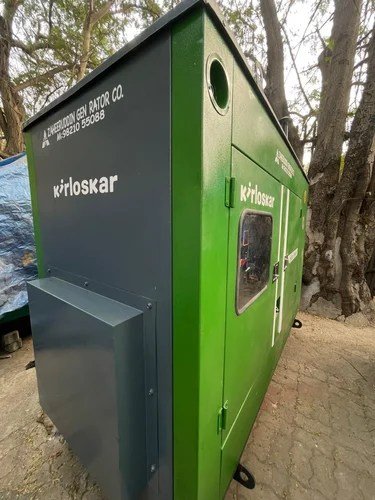
When the lights go out, the silence can be deafening – and costly. For many homeowners and businesses, investing in a reliable standby power solution isn't a luxury; it's a necessity. If you're weighing your options, you've likely come across the Kohler brand. Renowned for their robust engineering and dependable performance, Kohler emergency generators are a top contender. But before you commit, understanding the real Kohler Emergency Generator Cost, Pricing & ROI is crucial. This isn't just about a sticker price; it's about the total investment, the installation intricacies, and the long-term value that keeps your world running smoothly, even when everyone else's comes to a halt.
Let's cut through the noise and give you the clear, actionable insights you need to make an informed decision.
Your Kohler Generator Investment: At a Glance
- Total Project Cost: Expect a range from $8,000 to over $30,000, depending heavily on generator size and installation complexity.
- Generator Hardware: The unit itself typically accounts for 30-50% of the total cost.
- Automatic Transfer Switch (ATS): An essential component, adding $1,000 to $3,000+.
- Installation Labor: A significant factor, ranging from 16 to 60+ hours at $75-$150/hour.
- Permits & Site Prep: Budget $400 to $1,800+ for necessary approvals and groundwork (concrete pad, gas line).
- Hidden Costs: Watch for gas line upgrades, trenching, or electrical panel work.
- ROI: Beyond monetary, consider the peace of mind, property value retention, and protection of essential assets.
- Key Drivers: Generator size (kW), installation complexity, local labor rates, and regional codes.
Why Kohler? The Value Proposition Beyond Price
Before we deep-dive into the numbers, it's worth acknowledging why Kohler often enters the conversation for emergency power. Kohler has built a century-long reputation for quality, durability, and innovation. Their generators are typically seen as premium products, designed to withstand harsh conditions and deliver consistent power.
This reputation often translates into several benefits:
- Reliability: Engineered for continuous power delivery, a critical factor during extended outages.
- Longevity: With proper maintenance, Kohler units are built to last for many years.
- Warranty & Service: Strong manufacturer warranties and an extensive dealer network often mean easier access to parts and skilled technicians.
- Resale Value: A well-maintained Kohler generator can be an attractive feature for future home buyers, potentially adding to your property's value.
While the initial investment might be higher than some competitors, the perceived long-term value, reduced downtime, and enhanced peace of mind often justify the premium.
Breaking Down the Bill: What Drives Kohler Generator Costs?
Understanding where your money goes is the first step toward smart budgeting. A Kohler emergency generator installation isn't a single item purchase; it's a multi-faceted project with several key cost drivers.
Generator Hardware Size (kW): The Core Variable
This is arguably the most significant factor influencing your total cost. Generator output is measured in kilowatts (kW), and generally, the higher the kW, the higher the price.
- 7-12 kW units: Often suitable for essential circuits like refrigerators, sump pumps, a few lights, and a furnace fan. These are entry-level systems for partial home backup.
- 14-20 kW units: Can power more of your home, including major appliances, central air conditioning (depending on size), and multiple rooms.
- 20-22 kW+ units: Designed for whole-home backup, allowing you to maintain nearly normal operations during an outage, even running multiple AC units simultaneously.
Your specific electrical needs, determined by a professional load calculation, will dictate the appropriate generator size and, consequently, a large portion of the cost. When you're looking into selecting the right generator size, it’s crucial to balance current needs with potential future expansion.
The Essential Automatic Transfer Switch (ATS)
A standby generator isn't much good without an automatic transfer switch (ATS). This critical component is what makes a standby generator "automatic." When the utility power fails, the ATS senses the outage, signals the generator to start, and then safely transfers your home's electrical load from the utility grid to the generator. When power returns, it reverses the process.
- Cost Impact: ATS units range from $1,000 for basic models supporting essential circuits to $3,000 or more for whole-home smart switches with load management capabilities.
- Complexity: The type of ATS (e.g., essential circuit, whole-home, managed whole-home) directly impacts installation complexity and cost. Choosing an advanced automatic transfer switch (ATS) can significantly enhance your system's functionality.
Installation Complexity & Labor: The Unsung Heroes
The generator unit and ATS are just components; skilled labor transforms them into a functional emergency power system. Installation involves several specialized trades:
- Licensed Electricians: For wiring the generator, ATS, and integrating it with your home's electrical panel.
- Gas Fitters: For connecting the generator to your natural gas line or propane tank. This might involve running new lines, upgrading existing ones, or installing a large propane tank.
- General Laborers: For site preparation, pouring concrete pads, and ensuring proper clearances.
- Labor Hours: A smaller 7-12 kW system might take 16-24 hours. A larger 20-22 kW system with significant gas line upgrades and site work could easily involve 40-60 hours of work.
- Hourly Rates: Expect to pay $75-$150 per hour for licensed professionals, varying by region and specific trades.
This segment of the cost is often underestimated but is critical for a safe, reliable, and code-compliant installation.
Permits, Site Prep, and Unexpected Surprises
Every generator installation requires permits from your local municipality to ensure it meets safety and environmental codes.
- Permit Costs: These can range from a few hundred dollars to over a thousand, depending on your location and the scope of work (electrical, gas, building permits).
- Site Preparation: This includes pouring a concrete pad for the generator, ensuring proper clearances from your home, windows, and property lines, and potentially trenching for electrical or gas lines if they need to be routed underground.
- Fuel Source: If you're using natural gas, the existing line might need upgrading or an entirely new line run. If using propane, you'll need a large, dedicated tank and a delivery plan.
These seemingly smaller costs can quickly add up, so it’s vital to include them in your initial budget.
Typical Kohler Standby Generator Cost Ranges
Let's talk real numbers for different tiers of Kohler standby generator systems. These ranges include the generator hardware, ATS, basic permits, and standard installation labor, but remember, individual project specifics will cause variations.
Entry-Level Systems (7-12 kW): Backup for Essentials
- What it covers: Critical circuits like your refrigerator, freezer, well pump, sump pump, a few lights, and furnace.
- Cost Range: $8,000 - $14,000
- Why the range: Varies by specific kW output (7kW vs. 12kW), distance to gas/electrical hookups, and local labor rates. These systems are an excellent choice for targeted outages, ensuring core necessities are met.
Mid-Size Systems (14-20 kW): More Coverage, More Comfort
- What it covers: Essential circuits plus a few major appliances, a single central air conditioning unit (up to 3-ton), and more general lighting/outlets. This provides a significant step up in convenience.
- Cost Range: $15,000 - $22,000
- Why the range: The jump in generator size, a more capable ATS, and potentially more extensive electrical and gas work contribute to this higher bracket. These are popular for mid-sized homes seeking a good balance of coverage and cost.
Whole-Home Powerhouses (20-22 kW+): Uninterrupted Living
- What it covers: Near-complete home backup, including multiple central AC units, all major appliances, home offices, entertainment systems, and more. You might barely notice the power outage.
- Cost Range: $22,000 - $35,000+
- Why the range: Premium generator hardware, advanced whole-home ATS with load management, substantial gas line upgrades, larger concrete pads, and more labor-intensive electrical work. For larger homes or those demanding complete normalcy during outages, this is the go-to option.
Real-World Kohler Pricing Examples: What Your Neighbors Paid
To make these numbers more concrete, let's look at specific breakdowns. These examples are based on typical installations, but your actual quote will reflect your unique home and local market.
The Basic Setup (7 kW Kohler)
- Scenario: A smaller home needing backup for essential appliances only. Existing gas line is sufficient and close.
- Generator Hardware (7 kW): $3,500
- Automatic Transfer Switch (Basic): $1,000
- Labor (12-18 hours @ ~$125/hr): $1,500 - $2,250
- Permits & Inspection: $400
- Materials (wiring, conduit, pad): $500
- Delivery & Setup: $150
- Estimated Total Project Cost: $7,050 - $7,800
The Mid-Range Choice (14 kW Kohler)
- Scenario: A mid-sized home wanting to power most critical circuits, including a central AC unit. Minor gas line extension required.
- Generator Hardware (14 kW): $5,500
- Automatic Transfer Switch (Whole-Home Ready): $1,800
- Labor (24-40 hours @ ~$125/hr): $3,000 - $5,000
- Permits & Inspection: $900
- Materials (wiring, gas line, concrete pad): $1,000
- Delivery & Setup: $300
- Estimated Total Project Cost: $12,500 - $14,500
The Premium Whole-Home Solution (22 kW Kohler)
- Scenario: A larger home aiming for full, seamless backup, including two AC units and advanced electrical needs. Significant gas line upgrade and concrete pad work.
- Generator Hardware (22 kW): $11,500
- Automatic Transfer Switch (Advanced Whole-Home w/ Load Shedding): $3,000
- Labor (40-60 hours @ ~$125/hr): $5,000 - $7,500
- Permits & Inspection: $1,800
- Materials (heavy gauge wiring, extensive gas line, large concrete pad): $2,000
- Delivery & Setup: $500
- Estimated Total Project Cost: $23,800 - $26,300
Note: These examples are illustrative. Actual costs will vary based on your specific location, installer, and home’s requirements.
Beyond the Sticker Price: Unpacking Hidden & Additional Costs
While the primary components form the bulk of your investment, don't overlook potential additional costs. These aren't "hidden" if you get a thorough quote, but they can surprise you if not discussed upfront.
Gas Line Upgrades & Trenching
Many homes aren't equipped with a natural gas line sufficient to fuel a large standby generator.
- Upgrades: Your existing gas meter or internal piping might need to be upgraded to handle the increased demand. This often requires coordination with your gas utility.
- Trenching: If the generator needs to be located far from your existing gas or electrical lines, trenching through landscaping, driveways, or even under decks can add significant cost and complexity.
Electrical Panel Upgrades
For larger generators, especially those providing whole-home backup, your existing electrical panel might need an upgrade to handle the increased load capacity or to accommodate the ATS. This can involve replacing an older panel or adding a subpanel.
Site-Specific Challenges
Every property is unique.
- Mounting Hardware: In high-wind or seismic zones, the generator might require special anchoring or reinforcement.
- Accessibility: If the generator needs to be placed in a hard-to-reach area, crane services or additional manual labor could be required.
- Exhaust Clearance: Strict regulations exist for generator exhaust. Ensuring proper clearance from windows, doors, and vents might require specific placement or modifications.
Regulatory Headaches & Re-inspection Fees
Sometimes, permits need amendments due to unforeseen site conditions or changes in plans. If initial inspections fail due to minor issues, re-inspection fees can quickly add up. A reputable installer will minimize these, but it's wise to have a small contingency fund.
Regional Price Differences: Where You Live Matters
The cost of a Kohler emergency generator isn't uniform across the U.S. Regional economics, labor costs, and local regulations play a significant role.
- Coastal & High-Demand Metro Areas: Expect to pay 10-25% higher than national averages. This is due to higher labor rates, increased permitting requirements, and higher demand. Urban installations often mean more logistical challenges and longer lead times.
- Northeast (e.g., New York, Massachusetts): Often 10-18% higher. Stricter permitting, higher cost of living, and unionized labor can drive prices up.
- Midwest (e.g., Ohio, Indiana): Generally more competitive, potentially -5% to +12% relative to national averages. Labor costs might be lower, but lead times for specific parts or specialized crews could be longer.
- South (e.g., Florida, Texas): Competitive pricing is common, but variability exists, especially with gas-line work. Areas prone to hurricanes (and thus high demand) may see temporary price spikes.
- Rural Sites: While labor might be slightly cheaper, you could incur higher delivery fees for equipment and materials. Trenching through undisturbed land might also add to costs.
Always seek quotes from local installers who understand the nuances of your specific region.
The ROI of Reliability: Is a Kohler Generator Worth the Investment?
When you evaluate the substantial cost of a Kohler generator, it's natural to question the return on investment (ROI). Beyond the tangible numbers, a significant portion of this ROI is intangible, yet profoundly valuable.
Protecting Your Home & Family
This is arguably the most significant return.
- Safety: Keeping critical systems like heating/cooling, medical equipment, and security systems operational.
- Comfort: Avoiding spoiled food, frozen pipes, and uncomfortable living conditions during extended outages.
- Connectivity: Ensuring internet and communication systems remain active, vital for remote work or emergencies.
Preserving Property Value
A professionally installed standby generator, especially a premium brand like Kohler, can enhance your home's appeal and potentially its resale value. It signals to prospective buyers that the home is well-equipped and prepared for any eventuality. While it's unlikely to recoup 100% of the cost in resale, it’s a differentiator in a competitive market.
Business Continuity (for home-based businesses)
For those who work from home or run a home-based business, an outage isn't just an inconvenience; it's lost income. A generator ensures you can continue operations, making it a critical business asset.
Long-Term Ownership: Warranty, Maintenance, & Fuel
The initial cost is just the beginning.
- Warranty: Kohler typically offers robust warranties (e.g., 5-year, 2,000-hour limited warranty). Understand what's covered and for how long.
- Maintenance: Regular maintenance is crucial for longevity and reliable operation. Expect annual service checks, costing several hundred dollars per year. Skipping this can lead to costly repairs and voided warranties. Consider a long-term standby generator maintenance schedule as part of your investment.
- Fuel Efficiency: Compare fuel consumption rates for different models. Over the generator's lifespan, even small differences can add up, especially if you experience frequent or long outages.
- Control Upgrades: Advanced monitoring and smart home integration options can provide remote access and diagnostics, enhancing convenience and potentially reducing service calls.
Navigating the Quote Process: How to Get an Accurate Estimate
Getting a comprehensive and transparent quote is paramount. Don't settle for a simple dollar figure. A reputable installer will take the time to assess your needs thoroughly.
The Site Assessment & Load Calculation
This is non-negotiable. An installer should visit your home to:
- Evaluate your electrical panel: To determine capacity and identify which circuits can be backed up.
- Conduct a load calculation: To precisely measure your home's power requirements and recommend the correct generator size.
- Assess fuel source: Determine natural gas line capacity or propane tank sizing and placement.
- Review site logistics: Generator placement, clearances, trenching needs, and accessibility.
Decoding the Detailed Breakdown
Your quote should clearly itemize:
- Generator hardware: Make, model, kW rating.
- Automatic Transfer Switch: Type and features.
- Labor hours: Estimated breakdown by task (electrical, gas, site prep).
- Permit fees: Itemized by type.
- Materials: Concrete, wiring, conduit, gas piping.
- Delivery and setup charges.
- Any identified potential additional costs: Such as gas line upgrades or electrical panel work.
Asking About Contingencies & Labor Rates
Don't be afraid to ask direct questions:
- "What is your hourly labor rate for electricians and gas fitters?"
- "Are there any anticipated contingency items that could increase this cost?"
- "What are the payment terms and schedule?"
- "How do you handle warranty claims or post-installation service?"
A clear, written scope of work clarifying everything from concrete work to gas line upgrades is a sign of a professional installer.
Smart Budgeting & Savings Strategies for Your Kohler Generator
While a quality Kohler generator is an investment, there are ways to approach the project smartly to manage costs without compromising reliability.
Staging Your Project
If a whole-home solution is out of reach initially, consider installing a smaller generator now to cover essential circuits. You might be able to upgrade or add to the system later, although this often means paying for some labor twice.
The Power of Multiple Quotes
Always obtain at least three detailed quotes from different licensed and reputable Kohler dealers/installers. This allows you to compare pricing, assess different approaches to the installation, and gauge the professionalism of various companies. Be wary of quotes that are significantly lower than others, as they might be cutting corners or missing critical line items.
Optimizing for Essential Loads
Instead of aiming for "whole home" backup if your budget is tight, focus on critical circuits. Work with your installer to prioritize what absolutely needs power during an outage (refrigerator, well pump, furnace, internet) and size the generator accordingly. Modern ATS units can also incorporate load-shedding modules, which automatically turn off non-essential appliances if the generator approaches its capacity, ensuring your most vital systems stay online.
Timing is Everything
- Off-Season Scheduling: If possible, schedule your installation during the "off-season" (e.g., late fall or winter in areas prone to summer storms). Installers may have more availability and could offer more competitive pricing outside of peak demand.
- Permit Timing: Factor in lead times for permits. Sometimes, delays here can push your project into a busier (and potentially more expensive) time for installers.
FAQs About Kohler Generator Costs & Ownership
Let's address some common questions you might have as you evaluate this significant investment.
How long does a Kohler generator installation take?
Installation typically takes 2 to 5 days for mid-size residential systems, translating to 16–40 hours of skilled work. Larger, more complex installations with extensive gas line upgrades and concrete pads can take 4–6 days (40-60+ hours). This timeline includes site prep, electrical and gas connections, and initial testing.
What's the typical lifespan of a Kohler standby generator?
With proper maintenance, a Kohler standby generator can last 15 to 30 years. The engine's "run hours" are a better indicator of wear than calendar years. Regular servicing, proper fuel quality, and avoiding unnecessary prolonged runs contribute significantly to its longevity.
Do Kohler generators increase home value?
Yes, a professionally installed Kohler standby generator can increase your home's appeal and potentially its resale value. While the exact return varies, it's often viewed as a premium amenity that offers peace of mind and protection, especially in areas prone to frequent power outages. It generally won't add 100% of its cost to your home's value, but it can be a strong selling point.
Are there financing options available for Kohler generators?
Many authorized Kohler dealers offer financing options through third-party lenders. These can include deferred interest plans or low monthly payments. It's worth discussing these possibilities with your chosen installer, as they can help make the initial investment more manageable.
Your Next Step Towards Uninterrupted Power
Investing in a Kohler emergency generator is a significant decision, but one that brings immense peace of mind and tangible benefits. You're not just buying a piece of equipment; you're investing in reliability, safety, and the uninterrupted rhythm of your home or business.
Now armed with a comprehensive understanding of Kohler emergency generator costs, pricing, and the powerful ROI they offer, your next step is clear:
- Assess Your Needs: Determine what level of backup you truly require – essential circuits, partial home, or whole home.
- Contact Local Pros: Reach out to several authorized Kohler dealers and installers in your area.
- Request Detailed Quotes: Insist on a thorough site assessment and a transparent, itemized quote.
- Compare and Choose: Evaluate not just the price, but also the installer's reputation, warranty support, and service plan offerings.
Take the plunge, and you’ll find that when the next storm rolls in, you'll be one of the few enjoying the quiet hum of your Kohler, rather than the silence of the dark.