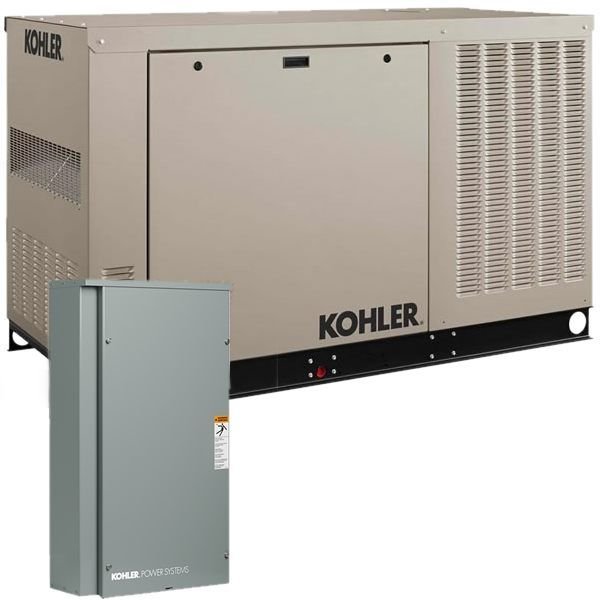
The moment the lights go out, a familiar wave of dread can wash over you. The fridge starts humming a different tune, your phone battery ticks down precariously, and that critical Zoom meeting? Gone. In an increasingly connected world, reliable power isn't a luxury; it's a lifeline. This guide to Choosing the Right Kohler Emergency Generator will cut through the noise, empowering you to make an informed decision and ensure your home or business stays powered through any disruption.
Kohler has been a name synonymous with robust engineering and reliability for over a century, a heritage that extends directly to its emergency generators. But with a range of options, how do you pinpoint the perfect fit for your specific needs? Let's decode the complexities together.
At a Glance: Your Kohler Generator Checklist
- Assess Your Power Needs: List essential appliances and calculate total wattage, accounting for startup spikes.
- Choose Your Type: Portable for flexibility, Standby for automatic, whole-property reliability.
- Select Fuel: Natural gas (convenient), Diesel (efficient), or Propane (clean, long storage).
- Prioritize Features: Look for automatic transfer switches, remote monitoring, and sound enclosures.
- Size It Right: Engage a professional to avoid costly undersizing or oversizing.
- Professional Installation: Essential for safety, compliance, and optimal performance.
- Plan for Maintenance: Regular upkeep is key to longevity and dependable operation.
- Review Warranty: Understand Kohler’s coverage and consider extended options.
Why Settle for Less Than Uninterrupted Power?
Power outages are more than an inconvenience; they can lead to spoiled food, burst pipes in winter, lost business productivity, and even safety concerns. Whether caused by severe weather, grid failures, or utility maintenance, the absence of electricity can quickly turn your routine upside down. A Kohler emergency generator isn't just a machine; it's a promise of continuity, a safeguard for your comfort, security, and peace of mind.
Think of it as an insurance policy, but one that actively protects your lifestyle and assets by providing power when the grid can’t. The investment pays dividends in more ways than just keeping the lights on.
Pinpointing Your Power Profile: What Do You Really Need to Run?
Before you can choose the right Kohler generator, you need to understand what "right" means for you. This isn't about guessing; it's about a clear-eyed assessment of your specific power requirements.
Essential vs. Nice-to-Have: Drawing Your Power Line
Start by categorizing your electrical loads. What simply must stay on?
- Absolute Essentials:
- Refrigerator/Freezer (to prevent food spoilage)
- Furnace/AC (for comfort and to prevent frozen pipes)
- Well pump (if you rely on one for water)
- Lights (key areas like kitchen, living room, bathrooms)
- Medical equipment (CPAP machines, oxygen concentrators)
- Internet modem/router (for communication and work)
- Charging for phones/laptops
- Important, But Not Critical:
- Television
- Microwave
- A few additional outlets
- Luxury/Convenience:
- Hot tub
- Electric range/oven
- Clothes dryer
- Whole-home AC
Make a comprehensive list, walking through your home or business room by room. Don't forget garage door openers, security systems, and sump pumps, which are often overlooked but critical in certain situations.
Calculating Your Wattage: The Numbers Game
Every appliance has a wattage rating – usually found on a label, in the owner's manual, or online. There are two crucial numbers:
- Running Watts: The power an appliance needs to operate continuously.
- Starting (or Surge) Watts: The brief, higher burst of power many motor-driven appliances (refrigerators, HVAC systems, pumps) demand to start up. This can be 2-3 times their running wattage.
To estimate your total power needs:
- List Running Watts: Add up the running wattage of all your essential appliances that you anticipate needing to run simultaneously.
- Identify Highest Starting Wattage: Find the single appliance on your essential list with the highest starting wattage.
- The Calculation: Add your total running watts to the highest starting wattage you identified. This gives you a conservative estimate of the peak power your generator will need to supply.
Example: - Refrigerator: 800 running watts, 2200 starting watts
- Furnace Fan: 700 running watts, 1200 starting watts
- Lights (total): 500 running watts
- Internet: 100 running watts
Total running watts (without surge): 800 + 700 + 500 + 100 = 2100W
Highest starting watts (refrigerator): 2200W
Estimated required generator size: 2100W (running total) + 2200W (highest surge) = 4300W. You'd typically round up significantly to account for future needs and safety margins, looking for a generator with a peak output of at least 5000-6000 watts.
Pro Tip: For a truly accurate assessment, consider hiring an electrician or a certified Kohler dealer. They can perform an energy audit, measure actual loads, and account for electrical code requirements, ensuring precise sizing.
Portable Power vs. Permanent Peace: Choosing Your Generator Type
Kohler offers two primary types of emergency generators, each suited for different needs and levels of preparedness.
Portable Generators: The Flexible Workhorse
What they are: Smaller, often wheeled units you can move around. They typically run on gasoline or propane and require manual setup, including starting them and running extension cords to appliances.
Best for:
- Temporary Needs: Short-term outages, camping, tailgating, job sites.
- Budget-Conscious Buyers: Generally a lower upfront investment.
- Running Select Appliances: Ideal for keeping a refrigerator, a few lights, and charging devices.
- Renters or Smaller Spaces: No permanent installation required.
Pros: - Versatility: Can be used in multiple locations.
- Lower Cost: More accessible entry point for backup power.
- Self-Contained: Easy to refuel and operate (though requires active management).
Cons: - Manual Operation: You have to start it, refuel it, and manage cords.
- Limited Power: Not designed to power an entire home.
- Safety Concerns: Requires careful outdoor placement (away from windows/doors) due to carbon monoxide risk.
- Noise: Can be louder than standby models.
Standby Generators: The Automatic Sentinel
What they are: Large, permanently installed units that sit outside your home or business, much like an AC unit. They connect directly to your electrical system and automatically turn on within seconds of a power outage, then shut off when utility power returns. They typically run on natural gas or propane.
Best for:
- Whole-Home or Business Power: Designed to power critical circuits or your entire property.
- Uninterrupted Power: Ideal for those who cannot tolerate any downtime (e.g., medical needs, home businesses, data centers).
- Long-Term Outages: Continuous fuel supply (natural gas) or large propane tanks allow for extended operation.
- "Set It and Forget It" Convenience: No manual intervention required during an outage.
Pros: - Automatic Operation: Seamless power transition, even when you're not home.
- Whole-Property Coverage: Powers more, or all, of your electrical needs.
- Permanent Fuel Source: Natural gas eliminates refueling concerns.
- Enhanced Safety: Professionally installed, with no need for extension cords.
- Quieter Operation: Often enclosed in sound-attenuating cabinets.
- Increased Property Value: A desirable feature for many homeowners.
Cons: - Higher Upfront Cost: Significant investment for the unit and professional installation.
- Professional Installation Required: Not a DIY project.
- Space Requirement: Needs a dedicated outdoor pad.
When weighing these options, consider your lifestyle, budget, and the criticality of uninterrupted power. For ultimate peace of mind and convenience, especially for comprehensive home protection, standby generators like those offered by Kohler are the superior choice. You can Explore Kohler emergency generators to see the range of options available.
Fueling Your Confidence: Natural Gas, Diesel, or Propane?
The type of fuel your Kohler generator uses is a critical consideration, impacting convenience, running costs, and storage.
Natural Gas: The Set-and-Forget Solution
How it works: Directly connected to your home's existing natural gas line.
Pros:
- Continuous Supply: No need to refuel, worry about fuel storage, or track fuel levels.
- Clean Burning: Produces fewer emissions than diesel.
- Cost-Effective: Often the most affordable fuel source, depending on local rates.
Cons: - Utility Dependence: If the natural gas line is damaged during a disaster, your generator won't run.
- Pressure Limitations: May require a larger gas meter or line upgrade, adding to installation costs.
- Slightly Less Power Output: Natural gas generators typically have slightly lower power output (kVA) compared to an equivalent diesel model.
Liquid Propane (LP): Versatile and Clean
How it works: Stored in tanks on your property, connected to the generator.
Pros:
- Clean Burning: Like natural gas, propane burns cleanly with lower emissions.
- Long Shelf Life: Propane doesn't degrade over time, making it ideal for long-term storage.
- On-Site Storage: Your fuel supply is directly on your property, independent of utility lines.
- Widely Available: Easy to find and purchase.
Cons: - Storage Requirements: Requires bulky propane tanks, which need regular refilling. Tank size must be adequate for desired run time.
- Delivery Logistics: You're reliant on fuel delivery services.
- Cost Volatility: Propane prices can fluctuate.
Diesel: Powerhouse Performance and Efficiency
How it works: Stores diesel fuel in an on-board or external tank.
Pros:
- Fuel Efficiency: Generally more fuel-efficient than gasoline or propane, leading to longer run times per gallon.
- Longer Engine Life: Diesel engines are known for their durability and longevity.
- High Power Output: Excellent for larger commercial applications or very high power demands.
Cons: - Fuel Storage: Diesel fuel degrades over time and requires stabilizers. Tanks need to be maintained.
- Emissions: Produces more emissions than natural gas or propane, which can be a concern in certain areas (e.g., California).
- Noise and Smell: Can be noisier and have a distinct odor.
- Cold Weather Issues: Diesel can gel in extremely cold temperatures, requiring special heaters or additives.
For most residential standby applications, natural gas or propane are the common choices due to convenience and cleaner operation. Diesel is more prevalent in heavy-duty commercial or industrial settings where maximum power and long run times are paramount.
Beyond the Basics: Essential Features to Look For
Modern Kohler generators come packed with features designed to enhance convenience, safety, and performance. Don't overlook these critical additions:
- Automatic Transfer Switch (ATS): This is the brains of a standby system. When utility power fails, the ATS automatically senses the outage, signals the generator to start, and then transfers your home's electrical load to the generator. When power returns, it seamlessly switches back and shuts down the generator. This is non-negotiable for true hands-off backup power.
- Remote Monitoring: Imagine being able to check your generator's status from your smartphone, even when you're away from home. Kohler's OnCue® Plus or OnCue® Plus Wireless systems allow you to monitor power conditions, generator diagnostics, and maintenance alerts via an app or web portal. This feature provides incredible peace of mind.
- Soundproof Enclosures: Generators, by nature, make noise. Kohler offers robust, weather-resistant enclosures that significantly reduce operational sound levels, making them neighbor-friendly, especially in residential areas. Look for models with decibel ratings in the low 60s for quieter operation.
- Cold Weather Kits: If you live in a region with harsh winters, a cold weather kit is vital. These typically include a battery warmer and an oil pan heater, ensuring your generator can start reliably even in freezing temperatures.
- Mobile Connectivity (Wi-Fi/Ethernet): For remote monitoring and diagnostics, ensure the generator's control system can connect to your home network for reliable communication.
These features aren't just bells and whistles; they're integral components that elevate your generator from a simple power source to a sophisticated, intelligent backup system.
Sizing It Up: Why a Perfect Fit Matters
Getting the generator size right is paramount. It’s a common pitfall that can lead to frustration or wasted money.
- The Problem with Undersizing: A generator that's too small simply won't be able to handle your peak electrical demand. This can lead to frequent overloading, automatic shutdowns, damage to appliances, and ultimately, a lack of power when you need it most. It's like trying to run a marathon on a bicycle built for a toddler.
- The Problem with Oversizing: While seemingly safer, an oversized generator is an inefficient one. It costs more upfront, consumes more fuel than necessary, and can even suffer from "wet stacking" (unburned fuel and exhaust residue buildup) if it consistently runs below its optimal load. This can reduce its lifespan and efficiency.
The Solution: This is where professional expertise becomes invaluable. A certified Kohler dealer or licensed electrician will:
- Conduct a thorough load assessment: Using specialized equipment, they'll measure the actual running and starting watts of your critical appliances and circuits.
- Account for diversity factor: They understand that not all appliances will start or run at the exact same moment.
- Consider future needs: They'll help you anticipate any potential additions to your electrical load.
- Adhere to local codes: Ensure the sizing complies with all local electrical and building regulations.
Don't guess on sizing. Investing in a professional assessment ensures you get a generator that's perfectly matched to your property's demands, offering optimal performance, efficiency, and longevity.
Professional Installation: The Non-Negotiable Step
While the temptation to DIY might be strong for some tasks, installing a Kohler emergency generator is not one of them. Professional installation is critical for several reasons:
- Safety First: Generators involve high voltage electricity and fuel lines. Improper installation poses serious risks of electrical shock, fire, carbon monoxide poisoning, or fuel leaks. Licensed professionals understand these dangers and adhere to strict safety protocols.
- Code Compliance: Local electrical, gas, and building codes vary widely. Professionals ensure your installation meets all regulations, avoiding fines, property insurance issues, and ensuring your system passes inspection.
- Optimal Operation: Proper wiring, fuel line connections, and exhaust venting are essential for the generator to run efficiently and reliably. Incorrect installation can lead to performance issues, premature wear, and costly repairs down the line.
- Warranty Protection: Most manufacturers, including Kohler, require professional installation by a certified dealer or licensed electrician to validate your warranty. Skipping this step could void your coverage.
- Seamless Integration: For standby generators, the professional will ensure seamless integration with your existing electrical panel and the automatic transfer switch, guaranteeing a smooth transition during outages.
Choosing a certified Kohler dealer for installation ensures their technicians are specifically trained on Kohler products, guaranteeing expert service and correct setup.
Keeping the Lights On: Maintenance and Warranty Essentials
Your Kohler generator is a powerful machine, and like any engine, it requires diligent care to perform reliably when you need it most.
The Lifeline of Regular Maintenance
Routine maintenance isn't optional; it's the key to ensuring your generator starts every time and delivers its full lifespan. Think of it as preventative medicine for your power supply.
- Scheduled Check-ups: Most standby generators perform weekly self-tests (a short run to ensure readiness). Beyond that, professional service is recommended annually or bi-annually.
- Oil Changes: Just like your car, the engine oil needs to be changed regularly, typically every 100-200 hours of operation or annually, whichever comes first.
- Filter Replacements: Air filters, fuel filters, and oil filters need regular inspection and replacement to ensure clean operation and prevent engine damage.
- Spark Plugs: These wear out over time and should be inspected and replaced as needed to ensure efficient combustion.
- Battery Inspection: The starter battery is crucial. Ensure terminals are clean and tight, and the battery holds a charge.
- Coolant Levels (Liquid-Cooled Models): Check and top up coolant to prevent overheating.
- Fuel System Check: Inspect fuel lines for leaks and ensure connections are secure.
Many Kohler dealers offer maintenance plans, taking the guesswork out of generator upkeep. This ensures a trained technician regularly inspects and services your unit, maintaining peak performance and readiness.
Understanding Your Kohler Warranty
Kohler stands behind its products with comprehensive warranties. Typically, residential standby generators come with a multi-year limited warranty (e.g., 5 years/2000 hours).
- What it Covers: Generally, the warranty covers defects in materials and workmanship.
- What it Doesn't: Damage from improper installation, lack of maintenance, abuse, or normal wear and tear are usually excluded.
- Extended Warranties: Consider purchasing an extended warranty for additional protection beyond the standard coverage period. This can be a smart investment, especially given the cost of generator components and specialized labor.
Always read your specific warranty document carefully, and ensure you register your generator with Kohler to activate your coverage. Maintaining service records is also essential for any warranty claims.
Maximizing Your Investment: Efficiency and Longevity
A Kohler generator is a significant investment. Optimizing its performance ensures you get the most out of it, both in terms of operational efficiency and extended lifespan.
Smart Practices for Fuel Efficiency
While standby generators offer immense convenience, they do consume fuel. You can influence how efficiently they run:
- Proper Sizing: As discussed, a correctly sized generator avoids unnecessary fuel consumption from being oversized and avoids strain from being undersized.
- Energy-Efficient Habits: Even with a generator running, practice energy conservation. Turn off lights in unused rooms, unplug unnecessary chargers, and use large appliances like dishwashers or washing machines strategically, perhaps one at a time, to avoid peak loads.
- Load Management: Some advanced systems allow for load shedding, prioritizing essential circuits and temporarily disconnecting non-critical ones when the generator is under heavy load. This ensures the most important things stay powered without overtaxing the system.
Extending Your Generator's Lifespan
Longevity goes hand-in-hand with proper maintenance:
- Consistent Run Time: Allow the generator to complete its weekly self-test. Running it under a load periodically (e.g., once a month for an hour with some appliances on) can also help keep components lubricated and operating efficiently.
- Clean Environment: Keep the generator's surroundings clear of debris, leaves, and vegetation. Ensure proper airflow for cooling.
- Quality Fuel: Use high-quality fuel. For diesel, ensure proper storage and consider fuel stabilizers.
- Prompt Repairs: Address any unusual noises, leaks, or performance issues immediately. Don't let a small problem become a major repair.
By combining proactive maintenance with smart operational practices, your Kohler generator will serve you reliably for many years.
Eco-Friendly Power: Kohler's Green Edge
For many, environmental responsibility is as important as reliability. Kohler recognizes this, offering models designed with ecological considerations in mind.
- Reduced Emissions: Newer Kohler models, especially those running on natural gas or propane, are engineered to meet stringent emission standards, contributing to cleaner air. This is particularly crucial in regions with strict environmental regulations, such as California, where specific low-emission models are often required.
- Fuel Efficiency: Optimized engine designs and smart controls maximize fuel efficiency, reducing both operational costs and the carbon footprint. Less fuel consumed means fewer emissions overall.
- Quiet Operation: While not directly an environmental factor, reduced noise pollution contributes to a better living environment for you and your neighbors. Kohler's sound-attenuated enclosures are a testament to this commitment.
When selecting your generator, inquire about Kohler's eco-friendly options if environmental impact is a primary concern for you. Choosing a model that aligns with local environmental regulations, particularly in sensitive areas, ensures compliance and contributes to a greener planet.
Proactive Preparedness: Before Disaster Strikes
The absolute best time to install an emergency generator is before you desperately need it. Waiting until a hurricane is bearing down or a winter storm is forecast leaves you scrambling, often when resources (generators, installers) are scarce and prices may surge.
Consider installing a KOHLER standby generator well in advance of predictable severe weather seasons, like hurricane season in coastal regions, or before the peak of winter in areas prone to ice storms. This proactive approach ensures your automatic backup power is in place, fully tested, and ready to go the moment the grid falters.
The peace of mind that comes from knowing your home or business is protected, regardless of external circumstances, is invaluable. It transforms power outages from a source of stress into a mere blip on the radar.
Your Next Step: Powering Forward with Confidence
Choosing the right Kohler emergency generator is a significant decision, but it doesn't have to be overwhelming. You've now gained a comprehensive understanding of the factors involved: assessing your power needs, comparing generator types and fuel options, prioritizing essential features, understanding the importance of proper sizing and professional installation, and recognizing the value of ongoing maintenance and warranty coverage.
The ultimate goal is to move from worry to unwavering confidence, knowing that your property is equipped to handle any power disruption. Your next, and most crucial, step is to connect with a certified Kohler dealer. They possess the expertise to conduct a precise load assessment, recommend the ideal generator model for your unique situation, provide a detailed quote, and ensure flawless, code-compliant installation.
Don't wait for the next outage to realize the true cost of being unprepared. Take control of your power future, secure your peace of mind, and safeguard your home or business with a reliable Kohler emergency generator.